By: Emily Desrosiers, Molly Nyhan, and Tyler Umbra (Stonehill College, BIO323: Evolution, Spring 2026)
In the forests of Europe and Asia, there is a group of small, greenish birds called leaf-warblers. These birds look physically identical to the average person as well as many experts. For years, they have been an evolutionary puzzle: how do species that look so similar end up living in such vastly different environments?
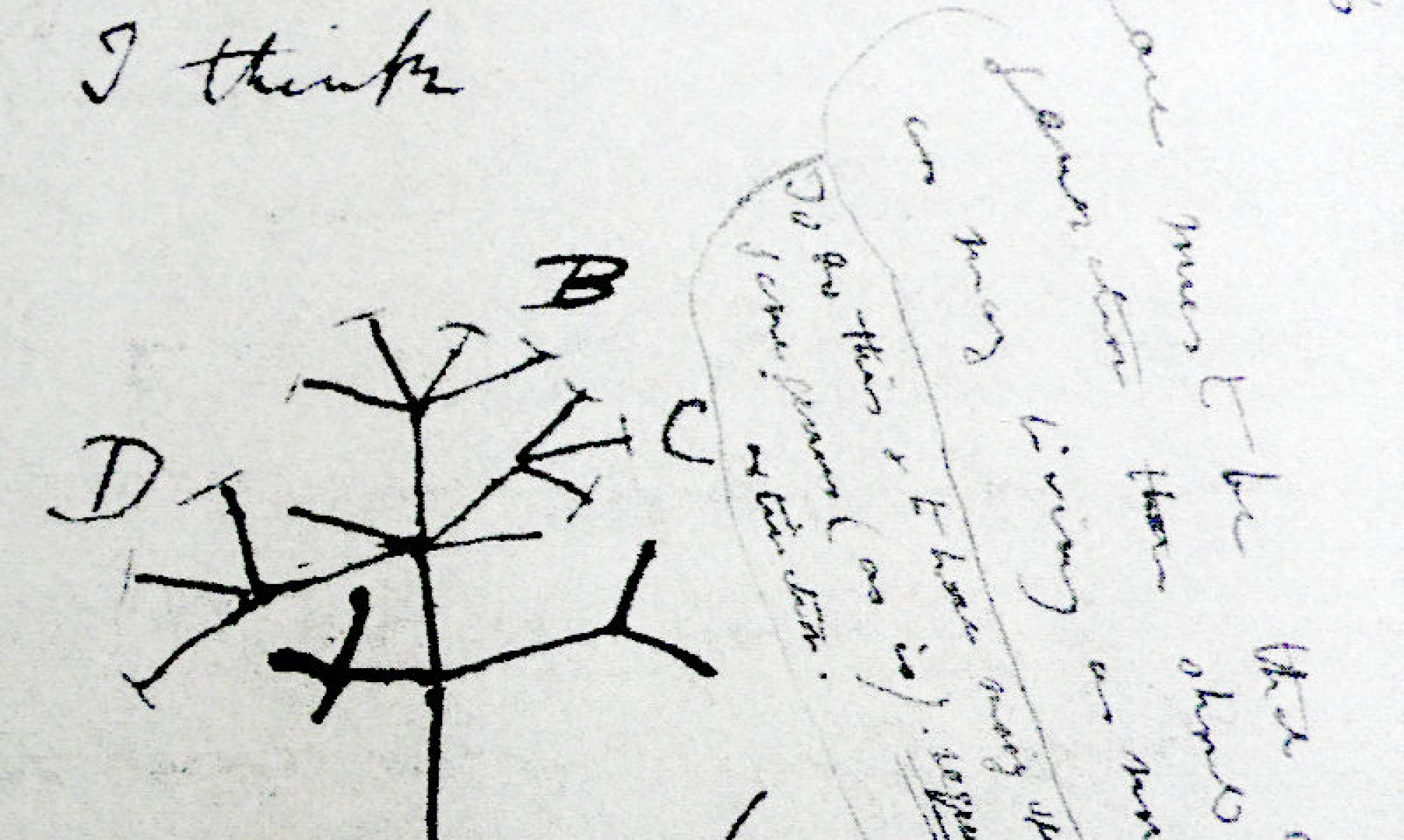
To answer questions like these, researchers make use of phylogenetic trees—diagrams that show how different groups of living things are related and from whom they evolved. If we can trace the ancestry of a bunch of these leaf-warblers, surely, we can get a picture of how and when they spread across vast distances, right? This is where the work of Gräf et al. (2025) comes in, with their recent article published in the journal Diversity, titled “Climate-Niche Evolution in Leaf-Warblers (Aves: Phylloscopidae): A Matter of Phylogeny”.